







Search Results for: Flat Burrs
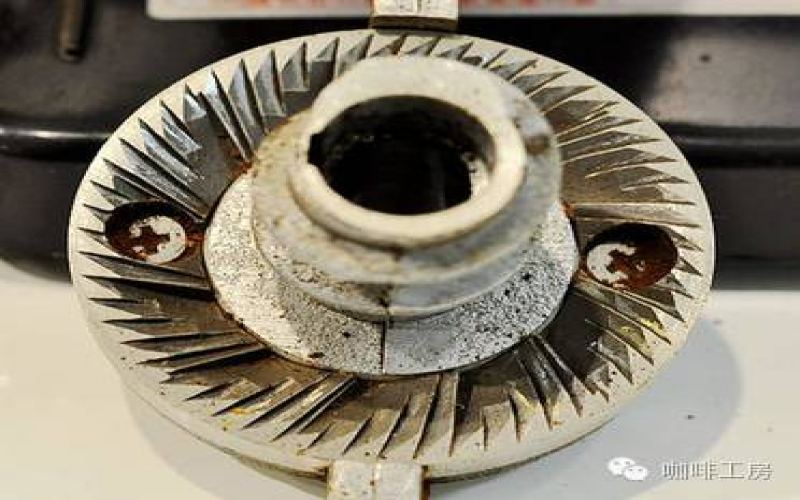
Coffee Grinder Buying Guide: How to Choose Between Flat Burrs, Conical Burrs, and Ghost Teeth, Plus a Full Analysis of Common Models' Grind Settings and Extraction
Faced with the dazzling array of coffee grinders on the market, many coffee enthusiasts find themselves paralyzed by choice. In truth, the coffee world has never had a single standard—different burr sets each have their strengths and weaknesses. Starting from burr types, this article takes a deep dive into the structural differences between flat burrs, conical burrs, and ghost-tooth burrs, along with their real-world impact on particle shape, extraction results, and final flavor. It also includes practical grind-setting parameters for commonly used models such as the Fuji Royal, Feiying, and Zheng Huang Hang, helping you find a grinding approach that suits your brewing method and taste preferences. [more…]
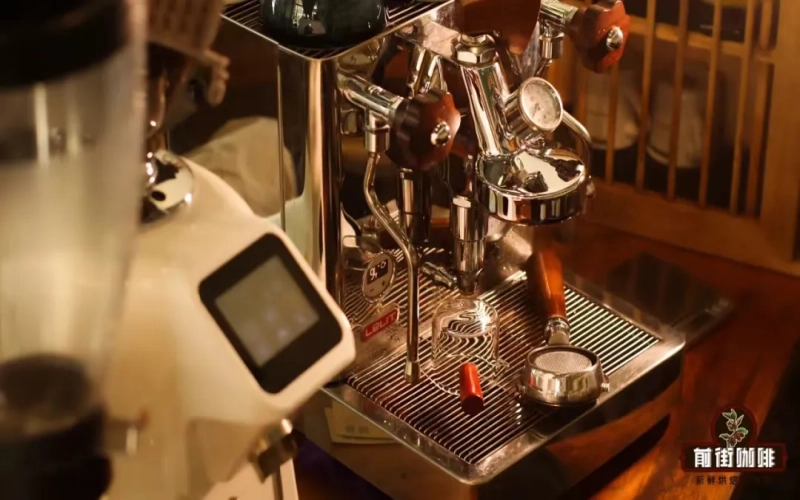
Hand-crank or electric? How to choose between flat burrs, conical burrs, and ghost teeth? The complete guide to buying a coffee grinder
Faced with the dazzling array of coffee grinders on the market, beginners often don't know where to start. This article, from the perspective of Front Street, systematically sorts out three core approaches to choosing a grinder: power source, price tier, and burr structure. The article first distinguishes the applicable scenarios and pros and cons of hand grinders versus electric grinders, then divides hand grinder tiers by budget and the timing for getting into electric grinders, and reminds readers that electric grinders for espresso and single-origin coffee cannot be used interchangeably. Finally, it provides an in-depth analysis of the grinding methods of flat burrs, conical burrs, and ghost tooth burrs, and their impact on coffee particle shape, particle size distribution, and final flavor. Whether you are a student just getting started or an advanced player with a sufficient budget, you can find a purchasing direction that suits you. [more…]

Manual or Electric Coffee Grinder: How to Choose? A Full Analysis of Flat Burr, Conical Burr, and Ghost Tooth Burr Differences
Faced with the dazzling array of coffee grinders on the market—ranging from a few dozen yuan to tens of thousands, from hand grinders to electric ones, from flat burrs to ghost teeth—beginners often don't know where to start. Drawing on years of experience running a shop, Front Street Coffee systematically sorts out the approach to choosing a grinder from three angles: power source, price tier, and burr type. The article will explain the scenarios each of hand grinders and electric grinders suits, analyze which type of machine should be prioritized under different budgets, and explain the differences between flat burrs, conical burrs, and ghost teeth in terms of grinding method and particle shape, as well as how these differences affect extraction flavor. Whether you're a student just getting started, a traveling coffee enthusiast, or a home user preparing to upgrade your equipment, you'll be able to find a direction that suits you. [more…]
Manual or Electric? How to Choose Between Flat, Conical, and Ghost Tooth Burrs? The Complete Guide to Buying a Coffee Grinder
Faced with the bewildering array of coffee grinders on the market, beginners often don't know where to start. This article systematically sorts out the approach to buying a grinder from three dimensions: power source, price range, and burr structure. Whether you're a pour-over enthusiast just getting started or an advanced player preparing to upgrade your equipment, you'll be able to find a direction that suits you here. The article will also introduce several highly cost-effective electric grinder products recommended by Front Street Coffee, helping you make a wise decision based on your budget and extraction method. [more…]
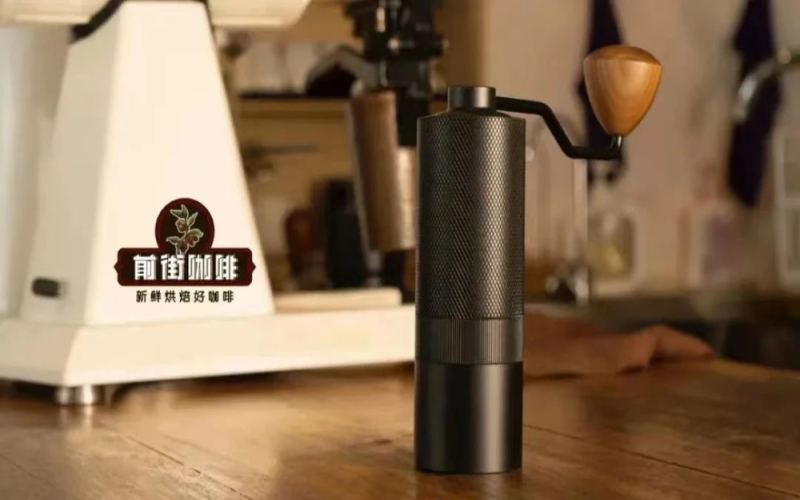
How Fine Should You Grind for Pour-Over Coffee? A Full Analysis of Grinder Burr Types and Sieve Calibration
Grind size is one of the core variables in pour-over coffee extraction, directly affecting water flow rate, extraction yield, and the final flavor profile. But with conical burrs, flat burrs, ghost tooth burrs, and other burr types on the market, along with the complex distribution of coarse, fine, and extra-fine particles, how can you find the right grind setting for your coffee beans? Front Street Coffee starts from how burr structure affects particle size, combines it with practical testing methods using standard inspection sieves, and systematically sorts out the grind passing-rate standards corresponding to different roast levels and brewing methods, helping you determine grind parameters in a quantifiable way so that every brew is more stable and controllable. [more…]
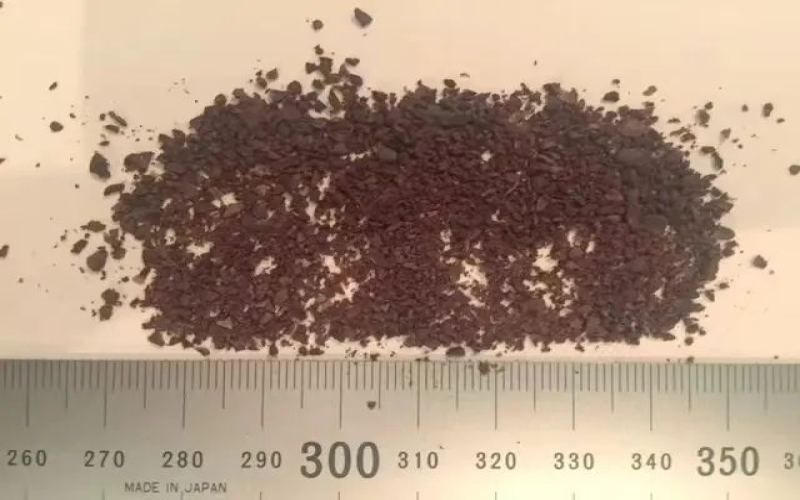
How to Deal with Excessive Fines in Pour-Over Coffee? A Full Analysis of Flat Burr, Ghost Tooth, and Conical Burr Grinder Burr Characteristics
The production of fines when grinding coffee beans is a normal phenomenon. A moderate amount of fines contributes positively to flavor; what truly causes trouble is excessive fines. Front Street Coffee has noticed that many coffee enthusiasts feel a sense of dread at the mere mention of fines, mostly because they have been tormented by clogged beds that won't drain, scorched bitterness, and astringency. This article first defines what particle size counts as fines, then explains the relationship between the causes of fines and the type of burr set, with a focus on comparing the differences among flat burrs, ghost-tooth burrs, and conical burrs in terms of grind uniformity and fines ratio. Finally, it offers two practical solutions: sifting out fines and adjusting brewing technique, along with rescue strategies for the common situation of abundant fines accompanied by coarse grounds that are also too coarse. [more…]

Analysis of Why Hand Coffee Grinders Produce Too Many Fines: A Comparison of Conical vs. Flat Burr Structures
In the coffee grinding process, the production of fines is almost an unavoidable phenomenon, regardless of whether one uses expensive professional-grade grinders or entry-level manual grinding equipment. However, the proportion of fines directly affects the stability of brewing and the final flavor presentation. Choosing a suitable grinder can, to a certain extent, help us reduce the troubles caused by fines. Front Street Coffee specifically conducted a comparative test on the differences in fines generation between manual coffee grinders and electric coffee grinders, analyzing the differences in grinding performance between the two from the perspective of burr structure, helping coffee enthusiasts more clearly understand the characteristics of different devices in grinding function, so as to make choices that better suit themselves. [more…]
How can you precisely determine the grind setting for espresso? Which blend should you choose for espresso?
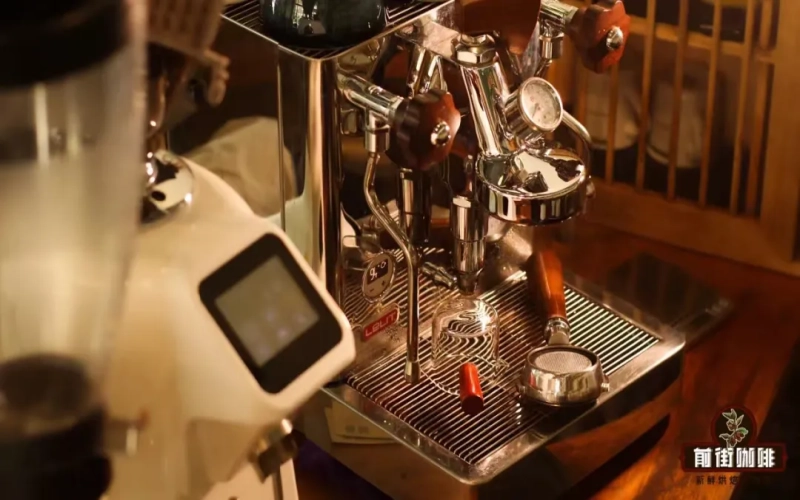
Many friends who are just getting into espresso run into the same confusion: even when they follow the parameters provided by the vendor, the coffee they make either has no crema, tastes weak and flat, or is bitter and hard to swallow. In fact, the key to the problem often lies in controlling the grind size and the coffee-to-liquid ratio. This article will start with how to determine grind size, helping you find the right setting for your equipment. It will also recommend several Front Street Coffee espresso blends, covering different styles such as rich, floral and fruity, nutty, commercial, and basic. It will then explain the working principles and adjustment logic of flat burr grinders, and finally explain when recalibration of grind size is needed, as well as the thinking behind a café's daily adjustments to espresso parameters. [more…]

Espresso Grind Size | How to Adjust the Grind Setting for Espresso Beans? Recommended Espresso Blend Roasting Brands for Beginners
Many friends who have just opened a café or bought an espresso machine for home find that when they take the espresso beans they bought and follow the parameters provided by the seller, the espresso they make has no crema, or is very weak, or is very bitter. When this happens, the only thing we can change is the grind of the coffee beans. [more…]
From Grinding to Temperature Control: Systematically Master the Seven Core Elements of Stable Espresso Extraction
To consistently make a delicious Espresso at home or in a shop, relying on feel alone is far from enough—you need to understand and control several key variables. This article breaks down the hardware and operational points that affect espresso quality one by one, from grind uniformity, fixed dose, and tamping technique, to brewing pressure, water temperature, extraction yield, and machine materials. Whether you use a flat burr or conical burr grinder, a vibration pump or rotary pump, you can find practical adjustment ideas here. The article also shares Front Street Coffee's practical suggestions on equipment selection and parameter settings, helping coffee enthusiasts avoid detours and make every shot of espresso closer to the ideal state. [more…]
How to distinguish coffee bean grind sizes? A reference for pour-over grind adjustment and 0.85mm sieve calibration
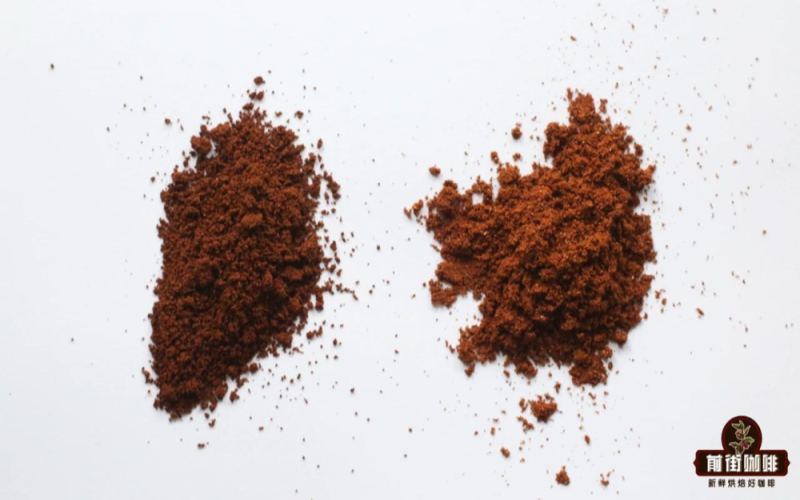
The first step in coffee brewing often begins with grinding. Different extraction methods have different requirements for coffee grounds: a French press needs coarse particles visible to the naked eye, while a Turkish pot requires a grind as fine as flour. At the same weight, the finer the grind, the greater the number of cuts and the larger the surface area, and the more opportunities water has to contact the coffee grounds, so flavor compounds are released faster. To move away from vague descriptions like "as coarse as granulated sugar," Front Street Coffee uses standard sieves to calibrate particle size: generally, pour-over coffee particles are between 600-850 microns; when tested with a 0.85 mm (No. 20) sieve, the pass rate is about 80% for light roasts and about 65-70% for medium-dark roasts. This article will also compare the pass rates of common methods such as cold drip, siphon, moka, American drip filter, cupping, and French press, and introduce the effects of conical burrs, flat burrs, and ghost teeth burrs on grinding results, as well as recommendations for choosing between hand grinders and electric grinders. [more…]
Espresso Ground Coffee Grind Setting Guide: From Grinder Selection to Extraction Parameter Adjustment
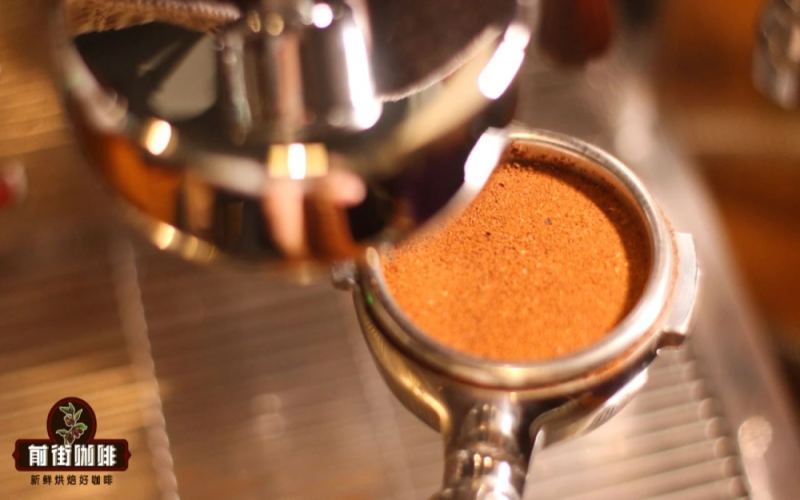
Many coffee enthusiasts who make espresso at home often run into problems like fast flow, thin crema, and weak flavor, and the root cause is often an improper grind setting. Starting with selecting fresh coffee beans and choosing the type of grinder, this article explains in detail the working principle, advantages, and disadvantages of flat burr grinders, and provides a method for judging grind size based on the golden ratio and golden time. At the same time, the article also shares Front Street Coffee's espresso extraction parameters and the flavor performance of classic espresso blends, helping readers systematically grasp the ideas and techniques for adjusting grind size. [more…]
Can a conical burr hand grinder handle espresso? Testing Timemore Chestnut G1S grinding performance and flavor changes
Hand grinders are generally considered inadequate for the fine grind required by espresso, but some manual grinders on the market do claim to manage it. In this article, we use the Timemore Chestnut G1S, a conical burr hand grinder, paired with Front Street Coffee's specialty espresso blend beans, and take the Yangjia 900N electric grinder as a reference, conducting multiple extraction tests by gradually adjusting the grind setting to observe the flow rate, crema, and flavor performance of espresso at different coarseness levels, and to analyze the differences in grinding method between conical and flat burrs, ultimately offering practical advice for making espresso with a hand grinder. [more…]

Espresso Grinding | How Fine Should Espresso Blend Coffee Beans Be Ground for Making Espresso? How to Determine the Grind Size for Espresso Grounds?
For more specialty coffee knowledge, please follow: Front Street Coffee (Frontsteet Coffee). Quite a few friends have reported that after buying espresso blend coffee beans and grinding them at home, they were unable to extract any crema during extraction, and the espresso that came out was overall tasteless, with a very watery feel. When this problem occurs, [more…]
A Complete Analysis of Mahlkönig EK43 Models: Differences from Ditting Horizontal Burrs and Grinding Performance Comparison
As the "legendary machine" in the specialty coffee world, the Mahlkonig EK43 has long since risen from a single-origin grinder to a standard fixture in espresso cafés, thanks to its outstanding grind uniformity and extraction performance. From early experiments at Café Myriade in Montreal in 2009 to Matt Perger's endorsement on the world competition stage in 2013, the EK43 was gradually elevated to iconic status. Meanwhile, Ditting, another "high-end grinder," is often compared with the EK43, with each having its own strengths in burr layout and flavor profile. This article reviews the grind settings and structural differences among the EK43 series versions (EK43S, EK43T, EK43, EKK43), traces its rise to fame, and compares the design features of Ditting's horizontal flat burrs. Combined with Matt Perger's particle experiment data, it analyzes why the EK43 can achieve more uniform extraction. Front Street Coffee will also share related product recommendations in this article. [more…]
How to Set the Grind Size for Pour-Over Coffee? A Complete Analysis of How Coarseness and Fineness Affect Extraction and Flavor
Water temperature, grind size, and coffee-to-water ratio are the three key variables that determine coffee extraction. Among them, grind size directly affects the particle size and uniformity of coffee grounds, which in turn influences how efficiently water passes through the coffee bed to extract flavor compounds. The finer the grind, the more tightly packed the coffee bed, the more resistance to water flow, and the longer the extraction time, so strength and extraction yield climb, producing a strong but easily bitter cup; the coarser the grind, the larger the gaps in the coffee bed, the smoother the water flow, and the lower the extraction yield, resulting in a weak, light-bodied coffee. This article uses grind size as the only variable, brewing three groups of coffee—fine, medium, and coarse—with Honduras Lychee Orchid beans, verifying grind size's effect on flavor through strength and extraction yield data, and providing Front Street Coffee's recommended hand-brew grind baseline, while also explaining the differences in characteristics among conical, flat, and ghost-tooth burrs. [more…]
How to Determine the Grind Size for Espresso? A Complete Guide from Bean Selection and Grinder to Brew Ratio and Extraction Time
Many coffee enthusiasts who make espresso at home often run into problems like abnormal flow rate, thin crema, and weak flavor—and the root cause is usually the grind size. This article starts with bean selection and the types of coffee grinders, then systematically lays out the criteria for judging espresso grind coarseness. It explains how flat burr grinders work, along with their pros and cons, and offers a dialing-in method based on a 1:2 coffee-to-water ratio and a 25-to-28-second extraction time. This helps readers judge whether the grind is too coarse or too fine by observing flow rate, crema color, and flavor performance. The article also includes the extraction parameters and flavor description of Front Street Coffee's classic espresso blend for practical reference. [more…]
A Beginner's Guide to Coffee Latte Art: A Complete Guide to Choosing Equipment and Tools from Espresso Machines to Latte Art Pitchers
Wanting to learn latte art, passion alone is not enough—choosing the right equipment and tools is the first step. This article is aimed at beginner baristas and systematically sorts out the various basic equipment needed to get started with latte art: from the differences and selection points of the four boiler systems in professional Italian espresso machines (single boiler, heat exchanger, dual boiler, multi-boiler), to the classification of steam wands and steam tip types, then to grinder burr types, tamper shape matching, latte art pitcher spout shapes and groove designs, as well as the logic for choosing materials such as espresso beans and milk. It also analyzes the influence of cup shape on latte art results and gives the key parameters for adjusting machine settings, helping beginners avoid detours and laying a solid hardware foundation for subsequent latte art practice. [more…]

How to choose between a manual coffee grinder and an electric coffee grinder? A complete guide to buying considerations for beginners, from burr structure to budget needs.
As more and more people start brewing coffee at home, the grinder has become an indispensable piece of key equipment. Unlike a dripper or a pour-over kettle, which play only supporting roles, the quality of the grind directly influences how the flavor shows up in the cup. Yet when you open a shopping platform, grinder prices range from just over twenty yuan all the way to tens of thousands, and this huge price gap leaves many beginners unsure where to start. This article, drawing on Front Street's buying experience, will compare hand grinders and electric grinders in terms of burr structure, grind uniformity, portability, and price range, and offer specific recommendations for two scenarios—under a thousand yuan and with a generous budget—to help you find the one that truly suits you among the bewildering array of options. [more…]
Unboxing and Hands-On Test of Ten Popular Coffee Machine and Grinder Building Block Sets: From Rocket R58 to EK43 Assembly Experience and Brand Review
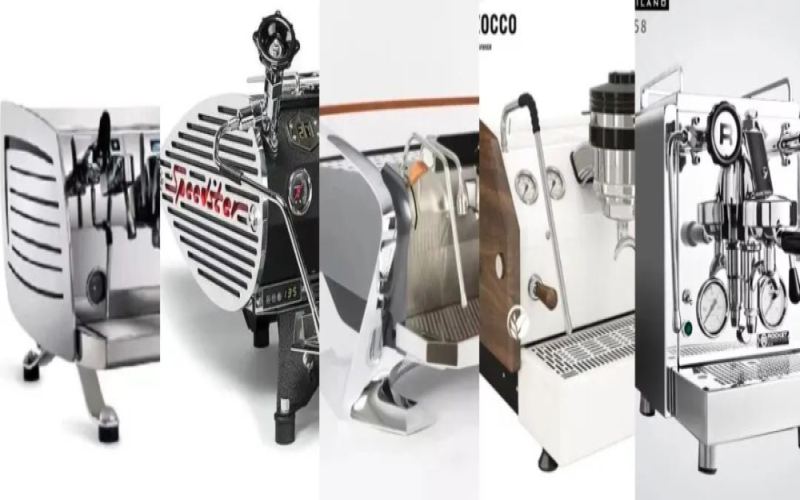
Coffee enthusiasts' passion for peripheral products is never limited to beans and equipment. This time, we got our hands on ten popular coffee machine and grinder building block models available on the market all at once, covering five series: Late Autumn in Sicily, Midsummer Green, Roman Holiday, Twilight Venice, and Early Spring in Milan, and it took us a week to complete the assembly. From basic models to patience-testing ones, the number of pieces, color schemes, and fidelity to the original machines vary. The article will introduce one by one the real coffee equipment parameters corresponding to each building block set, including Rocket R58, EK43, Slayer Steam EP, Mythos One, La Marzocco GS3, Ultra, Victoria Arduino VA388, LWW EG-1, Kees Speedster, and Mazzer Super Jolly, while also sharing the actual performance of domestic building blocks in terms of fit and structural support. If you also like coffee peripherals, why not take a look at these interesting little items together. [more…]